Windows: Remove Digital Signature From DLL / EXE Files

Objective: Remove the digital signature from a Microsoft Windows DLL or EXE file.

Objective: Remove the digital signature from a Microsoft Windows DLL or EXE file.
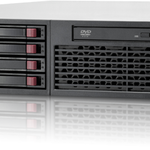
Sometimes I would need to retrieve the serial numbers of servers remotely – HP ProLiant and Dell PowerEdge servers to be precise. The normal way is to make a trip down to the server room and write down the serial numbers found on a sticker pasted on the server chassis. The other lazy (and smart) way is to retrieve the information from the command line!
In the computer networking field, traceroute is a diagnostic tool for displaying the hops and the round-trip time for each hop. Ping, on the other hand, computes round-trip times only from the destination point. But if you are just interested in finding out the number of hops to a destination and not the round-trip times, ping is an alternative utility to traceroute.
When you click on the “Safely Remove Hardware” icon in the system tray to remove your USB thumbdrive, you may receive an error message saying that it is still in use and you may not be able to remove it successfully.
Changing the IP settings from the Windows GUI is a no-brainer! I have never been a fan of using the GUI for system configuration. I change the network settings of the ethernet and wifi interfaces from the command line!
Everyone knows that DNS is used to translate hostnames to IP addresses, but do you know that DNS can also be used to retrieve the domain name when the IP address is known?
'which' is a Unix command used to identify the location of executables by searching in the directories listed in the PATH environment variable.
Netcat is often known as the swiff army knife for TCP/IP. It’s features include but not limited to UDP/TCP port scanning, file transfers, tunneling of UDP over TCP, port forwarding and so on.
Have you ever come across the error message “The terminal server has exceeded the maximum number of allowed connections” while trying to login to a Windows machine as an administrator?
Are you bored with your typical screen saver? If yes, read on…
